What’s Actually in the Hemp Guardrails Act
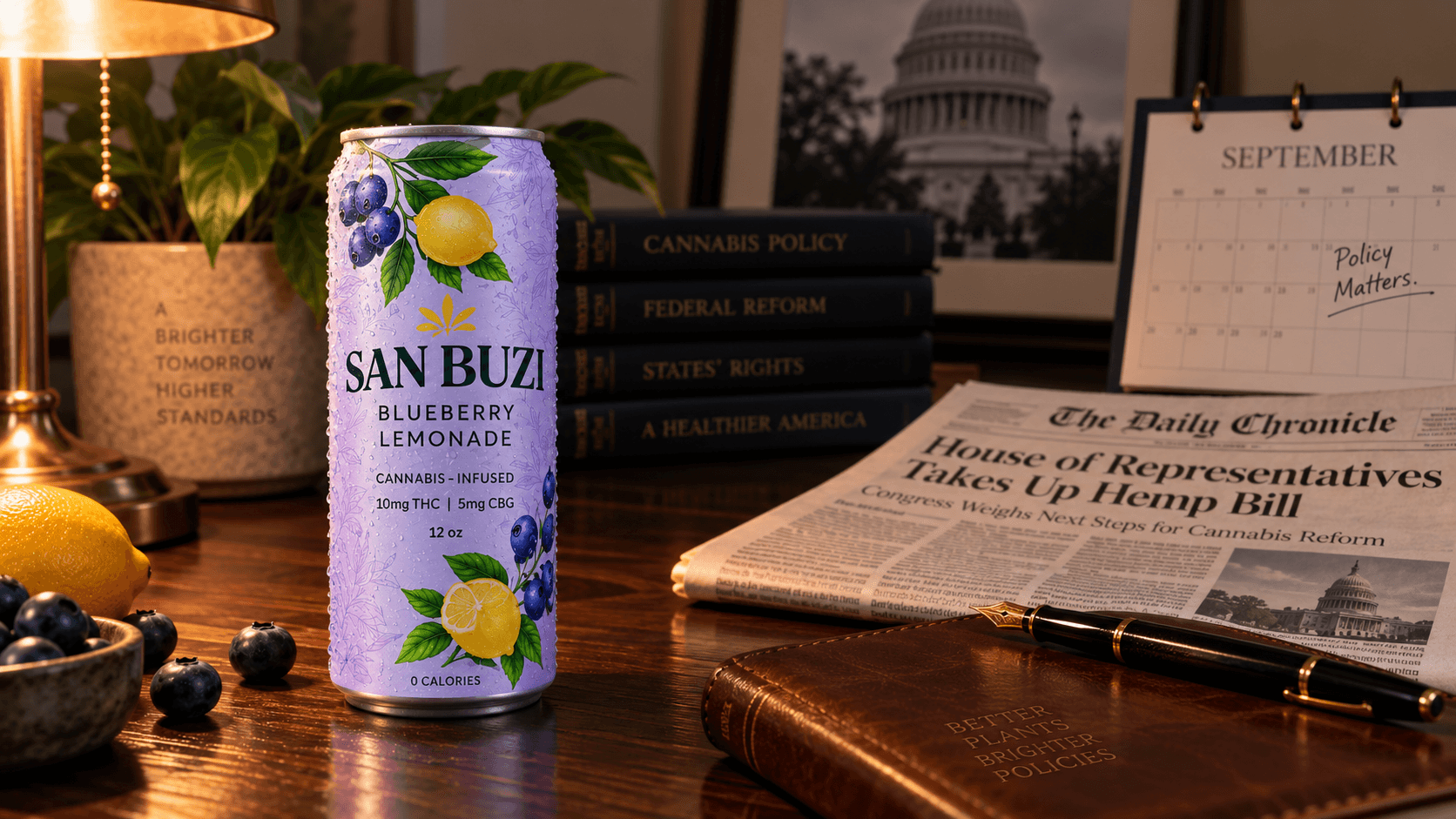
On Tuesday, November 17, Sens. Tim Sheehy (R-MT) and Amy Klobuchar (D-MN) introduced the Hemp Guardrails Act. It would replace the federal hemp change scheduled for December 11 with a set of federal rules for hemp products, instead of a ban on most of them. We first wrote this from the sponsors’ press release and two-page summary. We’ve since read the bill text the sponsors posted and updated this post on November 19. It is still only a bill, and December 11 hasn’t moved.
What the Hemp Guardrails Act would do
According to the bill text and the sponsors’ summary, the bill would:
- Strike the limits due on December 11, including the 0.4mg-per-container cap and the separate exclusion for cannabinoids synthesized or manufactured outside the plant. The summary says those limits “would make 95% of consumer hemp products illegal overnight.” That figure is the sponsors’.
- Set a national age of 21. No sale, possession or consumption of consumable hemp products by anyone under 21. Like the rest of the bill, this would take effect December 11, 2026.
- Restrict delta-8, delta-10, HHC, THC-O and similar compounds. A product with more than trace amounts of these “restricted cannabinoids” wouldn’t count as hemp. The bill text says delta-9 THC, CBD, CBN, CBG, CBC, CBDV and THCV are not restricted.
- Ban smokable hemp. Raw hemp flower and pre-rolls meant for inhalation couldn’t enter interstate commerce.
- Put the FDA in charge. The bill creates categories for hemp-derived cannabinoid products and hemp-derived cannabinoid dietary supplements under the Federal Food, Drug, and Cosmetic Act. Within 180 days of enactment, the FDA would have to write rules for child-resistant packaging and labeling, uniform manufacturing and testing, added substances, recalls and facility registration. It could inspect facilities, seize adulterated or misbranded products and issue public warnings.
- Restrict marketing. No labeling that misleads or imitates other brands, required risk warnings, and no packaging features commonly used to advertise to children or anyone under 21.
- Require American production. Consumable hemp products would have to be grown, processed, finished and packaged in the United States.
- Raise the farm threshold. Hemp crops could test up to 1% total THC by dry weight, which the sponsors say is “to avoid unintentionally criminalizing farm operations.”
- Leave room for the states. States could still pass stricter rules, but couldn’t block the interstate transportation of compliant products.
- Take effect December 11, 2026, the same day the current change is due.
What it would mean for a THC drink
Under the law as it stands today, a hemp product can contain no more than 0.4mg of total THC per container starting December 11. A can of San Buzi has 10mg, and nearly every hemp THC drink on a shelf right now is over the cap too. The Guardrails Act would strike that cap along with the other December 11 limits.
It doesn’t put a new milligram cap in their place. The bill text we’ve now read sets no per-serving or per-container number. The House bill we covered in September, the Beverage Regulatory Parity Act, would cap a serving at 5mg, half of what’s in our can. The Guardrails Act leaves packaging, labeling, testing and manufacturing rules to the FDA instead.
Nor does the bill ban hemp THC outright. It lists “restricted cannabinoids” (delta-8, delta-10, HHC, THC-O and similar compounds) and leaves delta-9 THC, CBD and the other major plant cannabinoids off that list. A bill can change a lot between introduction and a vote, so take that as what this version says. A final law could read differently.
Who’s behind it
The sponsors are one Republican and one Democrat. Sheehy said in the announcement that the bill would “put every bad actor in the hemp space out of business” while keeping farmers, veterans and cancer patients who use these products from being treated as criminals. Klobuchar called Minnesota “a national leader in hemp.” The state already regulates hemp THC drinks under its own law, and Northern News Now reports that craft brewers there now get a large share of their sales from them. The sponsors put the industry at $30 billion and 350,000 jobs. Those are their numbers, not ours.
Where things stand
- Introduced in the Senate on November 17, 2026.
- It’s listed on Congress.gov as S. 5736 and was referred to the Senate Health, Education, Labor and Pensions (HELP) Committee. No hearing or vote is scheduled as of November 19, 2026.
- To change anything, it has to pass the Senate, pass the House and be signed. December 11 is about three weeks away.
- It’s the second regulate-instead-of-ban bill we’ve covered, and there are others in Congress. The House’s Beverage Regulatory Parity Act would run drinks through the alcohol system with a 5mg serving cap. This one would run hemp products through the FDA.
- The one time the date has moved (most of the change was pushed from November 12 to December 11), it moved inside a government funding bill, not a hemp bill. That’s the kind of vehicle to watch.
What this changes for San Buzi today
Nothing yet. The bill has only been filed, and we plan around the law as it is. Our last shipping day is still December 10, 2026, in every state we ship to. If Congress acts before then, we’ll say so here first.
This is general information, not legal advice, and reflects our understanding of a fast-moving situation as of November 19, 2026. For the deadline this bill is trying to solve, see our explainer, The 2026 Hemp Beverage Ban, Explained, and our earlier posts, Trump Signs Bill Delaying Hemp Ban to Dec. 11 and What’s Actually in the Beverage Regulatory Parity Act.
Sources
- Sheehy, Klobuchar Introduce Bipartisan Hemp Guardrails Act (Sen. Sheehy’s office, official press release, November 17, 2026)
- Hemp Guardrails Act, section-by-section (two-page summary linked from the press release)
- Hemp Guardrails Act bill text (posted by Sen. Klobuchar’s office; the Government Publishing Office print isn’t out yet)
- S. 5736 (Congress.gov, bill status)
- Klobuchar proposes hemp regulation framework amid impending federal ban (Northern News Now, November 17, 2026)
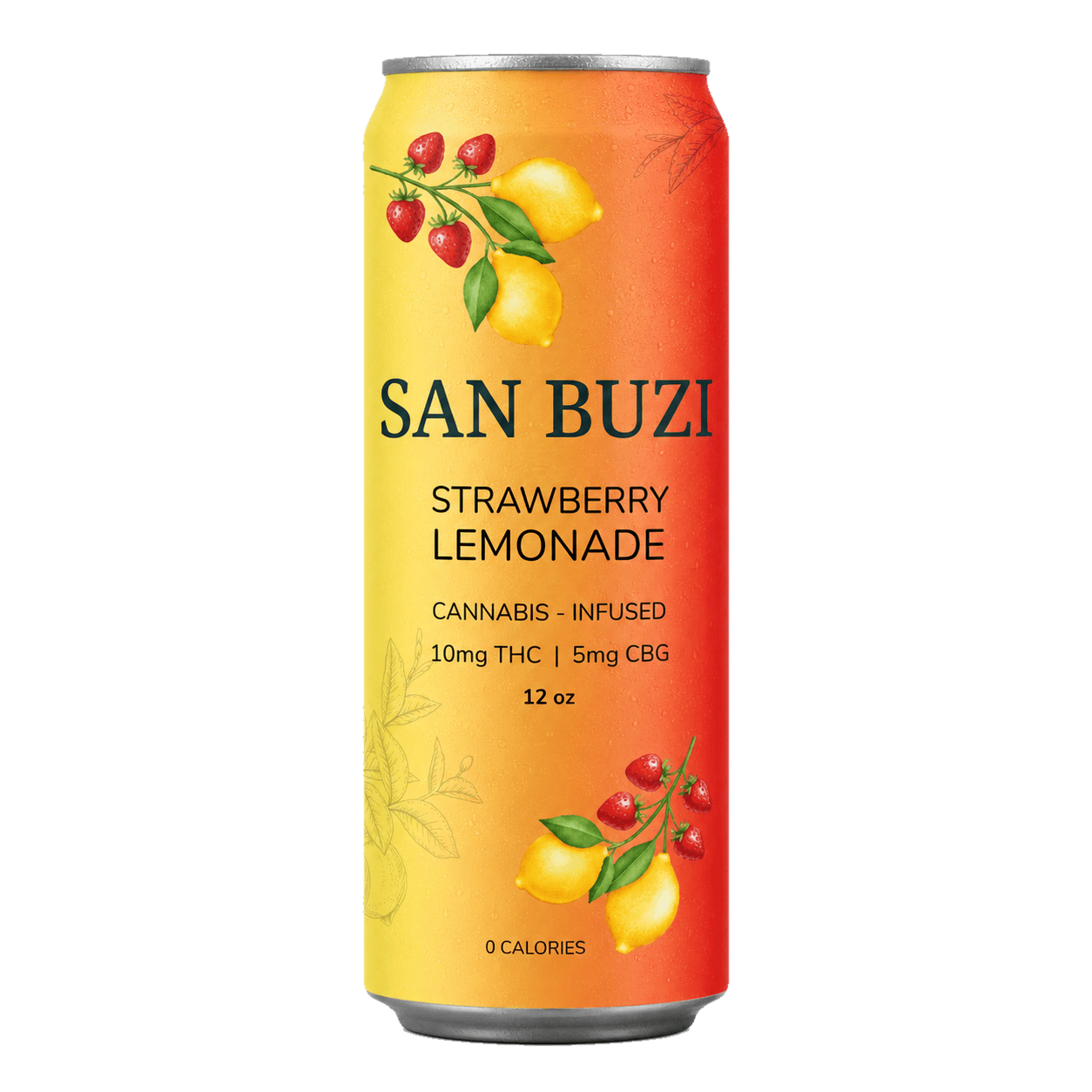
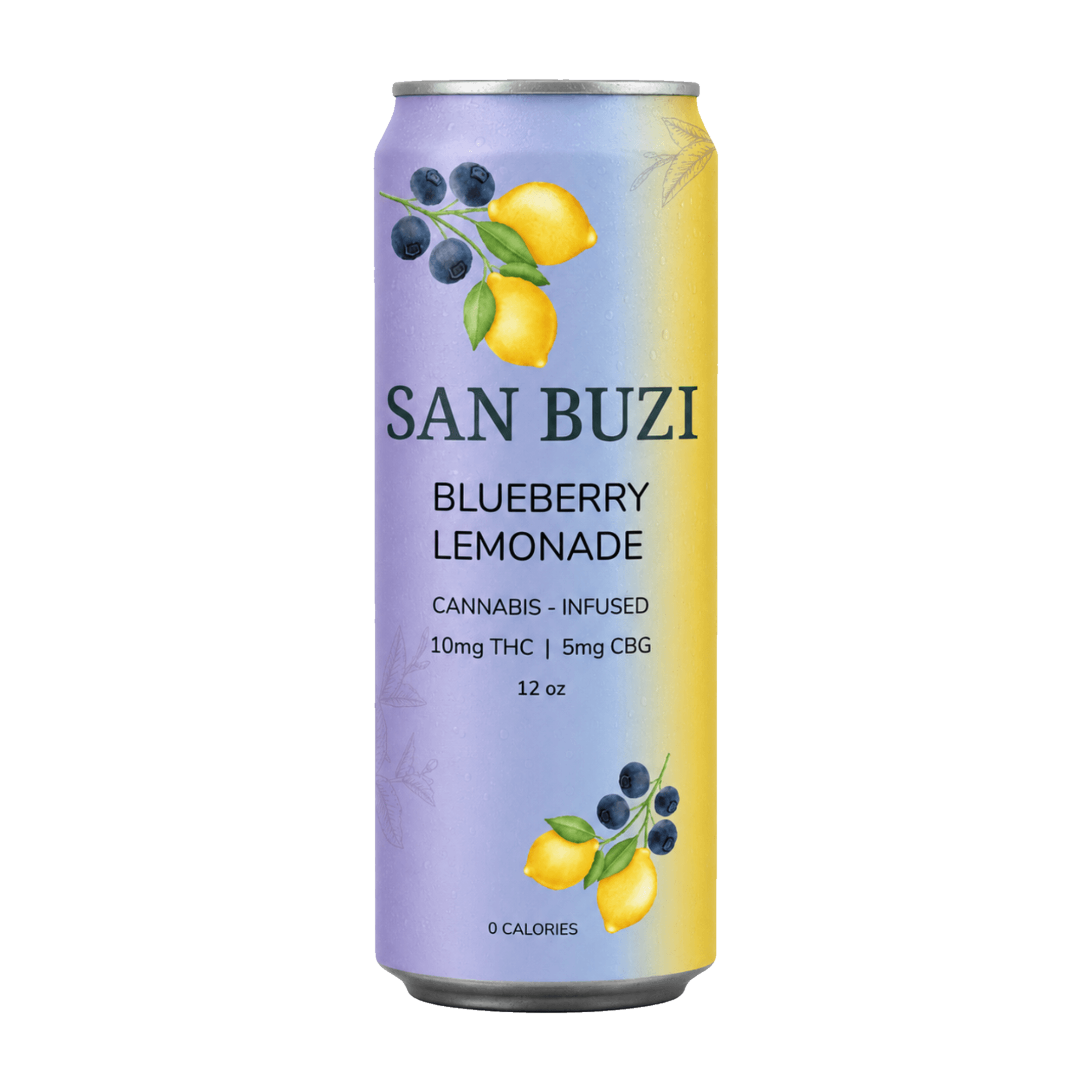
Try San Buzi
Hemp-derived THC lemonade made in Atlanta: 10mg THC + 5mg CBG, zero alcohol, zero calories.