Learn / Legal & Policy
The 2026 Hemp Beverage Ban, Explained (and What It Means for San Buzi)
A new federal definition of 'hemp' takes effect December 11, 2026, and it would touch nearly every hemp-derived THC drink on the market -- ours included. Here's what's actually in it, what's still unresolved, and where we stand.
Last verified: October 2026
The short version
A provision buried in a November 2025 federal appropriations act — known as Section 781 — redefines what legally counts as “hemp.” The new definition caps a finished product at 0.4mg of total THC per container. That’s not a typo: milligrams, not a percentage. It takes effect on December 11, 2026. The original date was November 12, 2026; Congress pushed it back one month in a short-term government funding bill (the Senate in August, the House on a 370–48 vote), and President Trump signed that bill on September 2, 2026.
Updated — September 2, 2026
The delay is signed, so December 11, 2026 is the locked-in effective date rather than one still waiting on a signature. For the dated, entry-by-entry history, see THC Drink Laws & Updates. Read the full story on the signing →
Why this exists
The 2018 Farm Bill legalized hemp defined by a 0.3% Delta-9 THC limit, measured by dry weight of the plant. It said nothing about other cannabinoids, and it said nothing about how much of that 0.3% ends up in a can once you account for a real serving size. That gap — sometimes called the “hemp loophole” — is what let an entire category of hemp-derived Delta-9 and Delta-8 products exist for the last several years, San Buzi included. Section 781 closes it by switching to a “total THC” test and, for finished beverages and edibles specifically, a hard per-container milligram cap instead of a percentage.
What it would actually change
At 0.4mg per container, essentially no hemp-derived THC beverage on shelves today would still qualify as legal hemp once the new definition takes effect — not just the higher-dose products, all of them. Anything above that line stops being “hemp” under federal law and becomes a Schedule I controlled substance by default, the same classification as marijuana at the federal level (regardless of what an individual state allows for licensed cannabis).
San Buzi is 10mg Delta-9 THC per can. We’re not going to pretend that number is anywhere close to 0.4mg — it isn’t, and neither is any other real hemp beverage you’ve had. This is an industry-wide problem, not a one-brand problem.
The industry’s counter-move
On August 10, 2026, Representatives Beth Van Duyne (R-TX) and Greg Landsman (D-OH) introduced the Beverage Regulatory Parity Act (H.R. 10079). Instead of treating hemp beverages as an accident to be closed, it would regulate them deliberately — putting them under the Alcohol and Tobacco Tax and Trade Bureau, the same agency that already regulates beer and spirits, with a real three-tier distribution system and a defined per-serving limit (currently proposed at 5mg). That’s a real, if lower, path forward for the category — but it’s a bill, not a law, and it hasn’t had a floor vote.
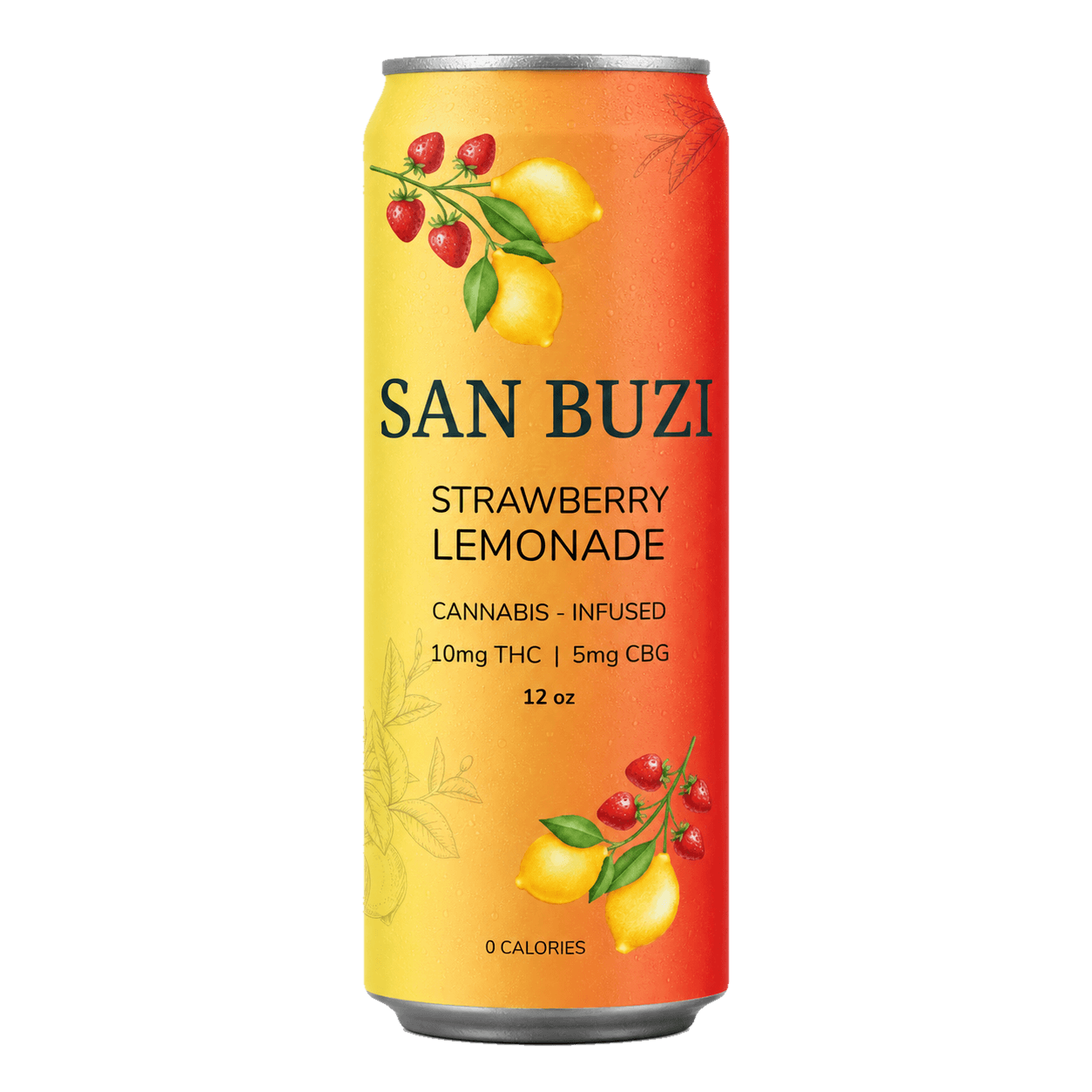
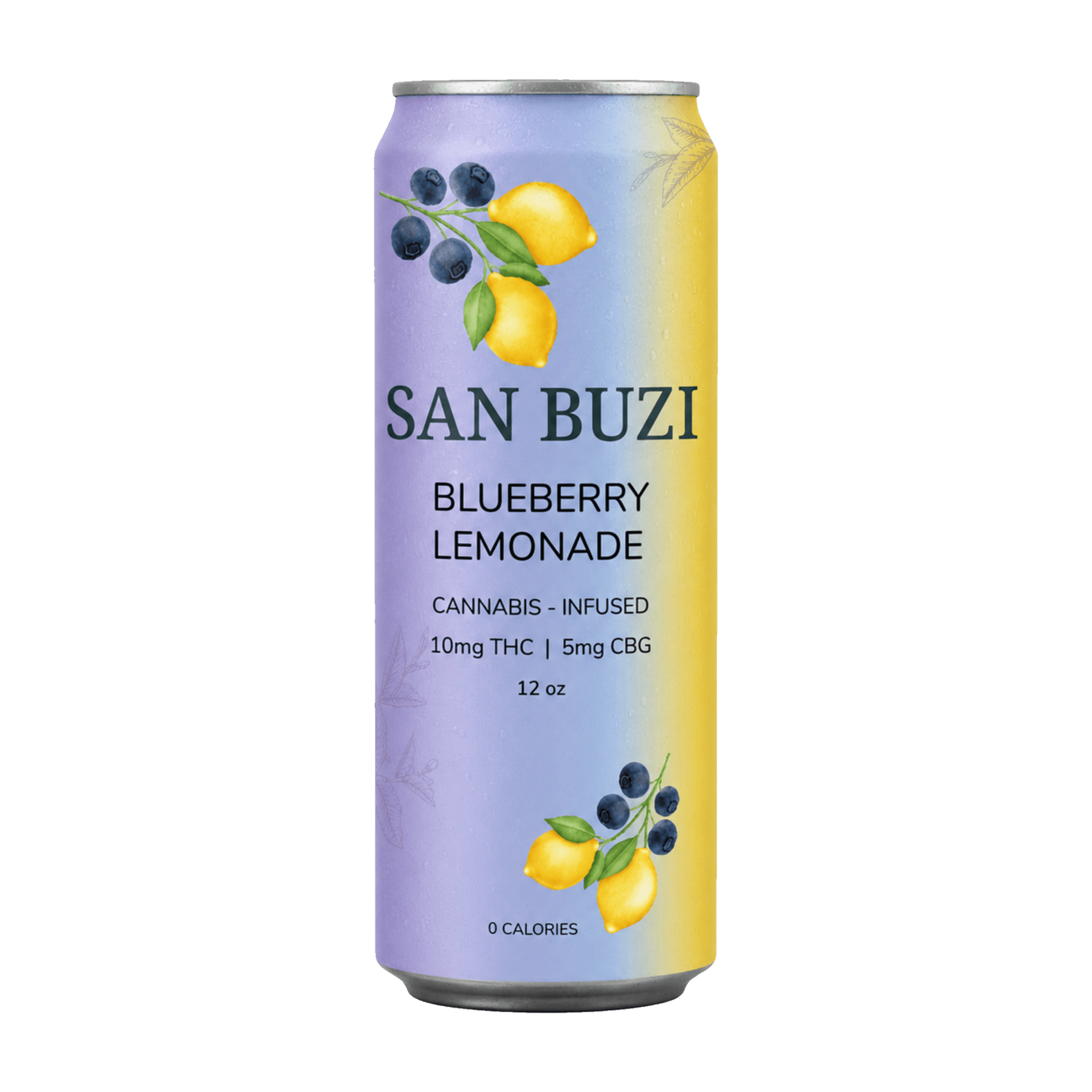
Try San Buzi
Hemp-derived THC lemonade made in Atlanta — 10mg THC + 5mg CBG, zero alcohol, zero calories.
Where things actually stand, honestly
- The 0.4mg definition is enacted law, not a proposal. It takes effect December 11, 2026.
- The one-month delay from November 12 to December 11 passed both chambers of Congress and was signed by the President on September 2, 2026. It is a delay, not a repeal.
- The Beverage Regulatory Parity Act would create a real regulated lane for hemp beverages, but at a lower dose than most of the category sells today, and it hasn’t passed.
- Nothing about ordering from San Buzi changes today. We are watching this closely, we are not guessing at outcomes we can’t predict, and we will update this page — not bury the news — the moment anything actually changes.
What we’re doing about it
We’d rather you hear this from us, plainly, than find out from a headline. We’re tracking both the effective-date fight and the Beverage Regulatory Parity Act closely, and we’ll have more to say as either one resolves. In the meantime, every can we ship is still lab-tested, still accurately labeled, and still legal to sell under the law as it exists right now.
For the state-by-state picture on top of this federal question, see Are THC Drinks Legal in Your State? For ongoing developments as they happen, bookmark THC Drink Laws & Updates.