Learn / Buying Guides
THC Drinks vs. Edibles: What's the Difference?
Both are ingested, both are labeled in milligrams, and both are slower than most people expect. Here's where they actually differ.
Last verified: October 2026
Quick Answer
THC drinks and edibles contain the same kind of THC and are both swallowed, so both can take 30–60 minutes or more to work. The practical differences are format, how easily you can pace a dose, calories, and sometimes the rules that apply. A milligram of THC is a milligram of THC either way. This is general information, not medical advice.
What they have in common
- Both are ingested. In a controlled study of oral cannabis, effects began 30–60 minutes after ingestion and peaked roughly 1.5–3 hours in (Schlienz et al.).
- Both are labeled in milligrams per serving, with 10mg the standard unit in several U.S. states and Canada.
- Both can show up on drug tests, and neither should be combined with driving.
Where they differ
Format and pacing
A drink is a single, fixed-dose serving you finish over time. An edible usually comes in pieces, which lets you take part of a serving. Many people find a drink easier to pace by volume; others prefer being able to stop at half a gummy. Neither is exact to the individual.
Onset
Some drinks are made with emulsions that brands say absorb faster than a traditional edible, and some people notice effects sooner. Independent research on beverage onset is limited, so plan for the same slow window you would with an edible.
Calories and taste
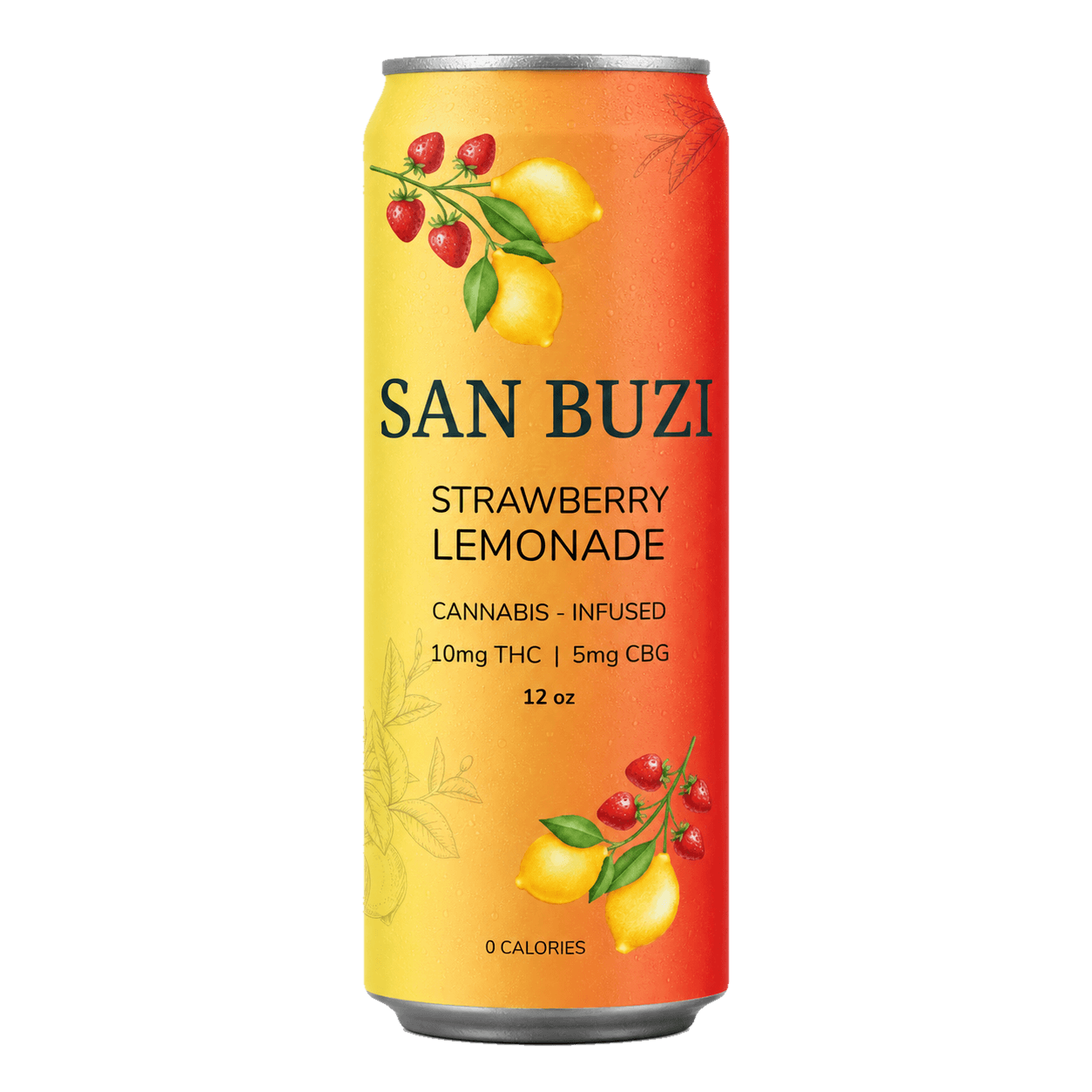
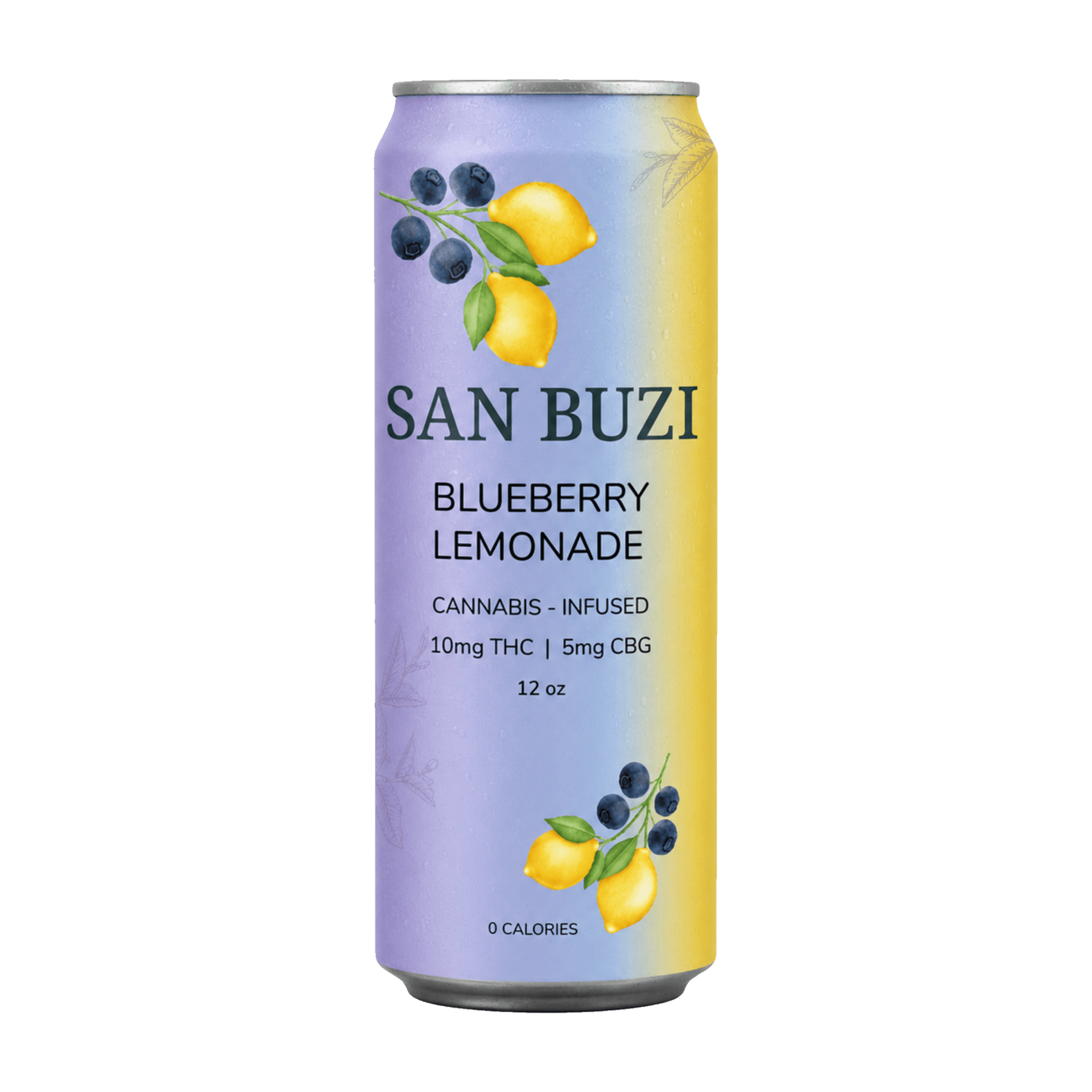
Edibles often carry sugar and calories from the candy or baked good. A drink can be lighter — San Buzi has zero calories — and tastes like a drink rather than a candy. That’s a preference, not a safety difference.
Rules
Laws sometimes treat the two differently, and some states put drinks under alcohol-style systems with their own caps. See whether THC drinks are legal in your state.
Try San Buzi
Hemp-derived THC lemonade made in Atlanta — 10mg THC + 5mg CBG, zero alcohol, zero calories.
Choosing between them
Pick the format you’ll actually pace yourself with. If you like a social, sip-it-over-time experience and zero sugar, a drink fits. If you want to take part of a dose, an edible might. Whichever you choose, start low, wait, and read the label. Our buyer’s checklist covers what to look for, and THC drinks vs. alcohol covers the other common comparison.
Frequently asked questions
Do THC drinks kick in faster than edibles?
Some brands say their emulsified drinks act faster than traditional edibles, but independent research on beverage onset is limited. The safe assumption is that both can take 30 to 60 minutes or more to start working, so wait before having more of either.
Are THC drinks stronger than gummies?
Not inherently. Strength depends on the milligrams of THC per serving, not the format. A 10mg drink and a 10mg gummy contain the same amount of THC, though people may absorb and feel them differently.
Which is easier to dose?
Both are labeled by milligrams per serving. A single-serve can is a fixed dose, while an edible with several pieces lets you take part of a serving. Many people find a drink easier to pace by volume, but neither format is precise to the individual.
Do both show up on drug tests?
Yes -- any THC product can. Format doesn't make a product test-proof. See our guide on Delta-9 and drug tests.
Is one format legal where the other isn't?
Rules often treat them differently. Some states regulate drinks under alcohol-style systems with their own caps, while edibles follow different rules. Check your state's rules before ordering either.