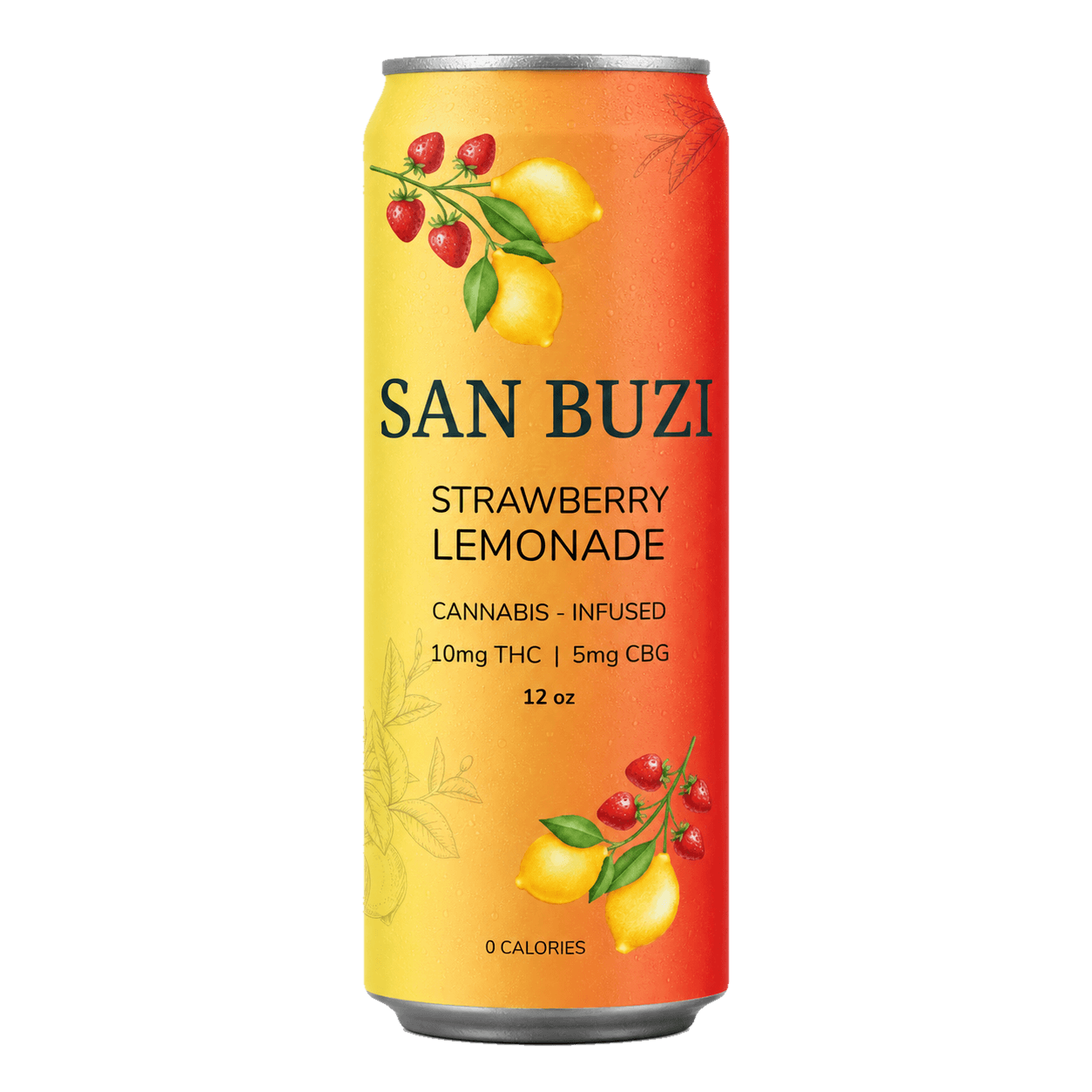
Testing • Transparency • Higher Standards
The San Buzi Standard™
Full-panel testing. Complete transparency.
A higher standard for a good buzz.
The San Buzi Standard™ is our approach to lab testing, lot traceability, and public COA access — so you know exactly what’s in the can before you crack it open.
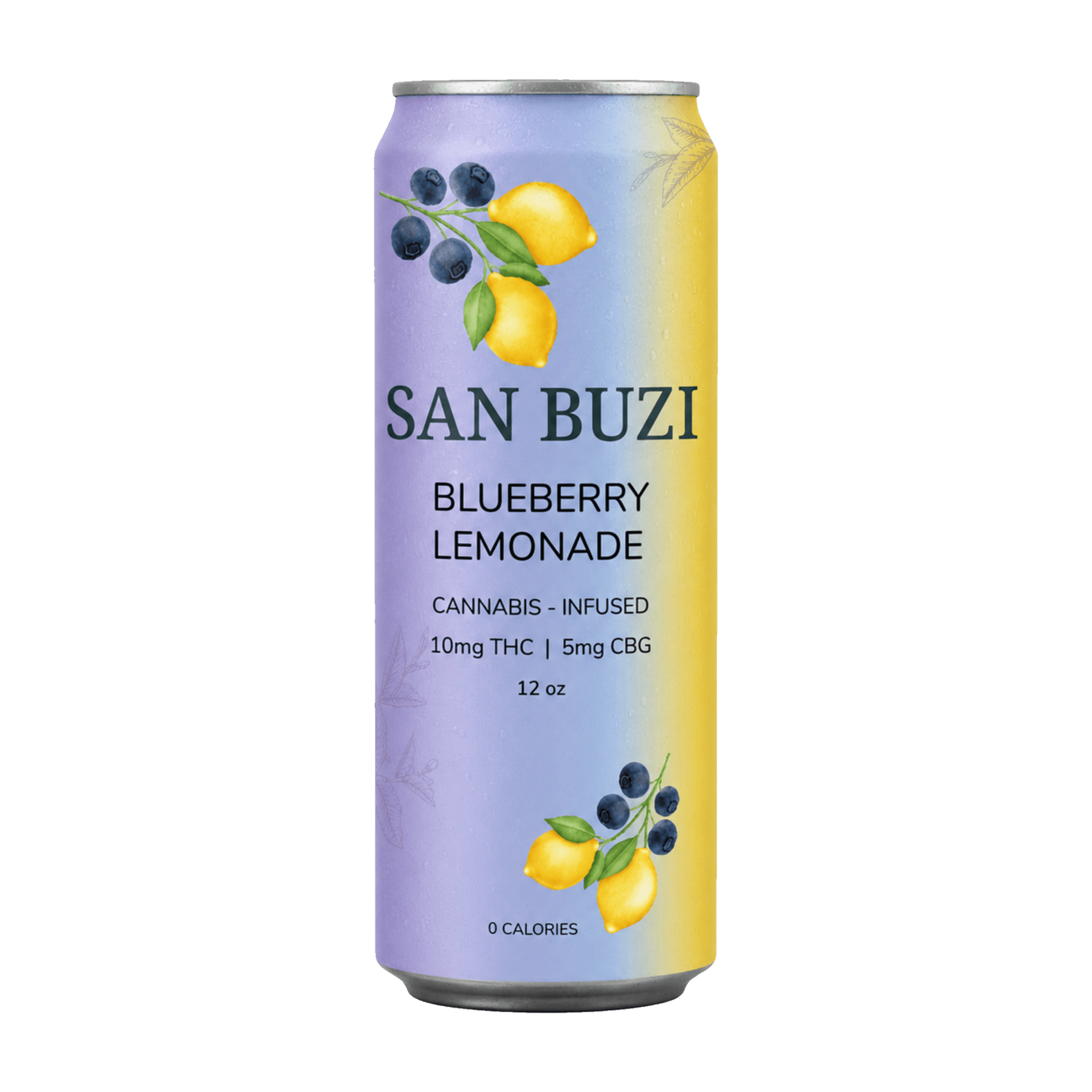
“Don’t trust the claim.
Check the test.”
Independent Third-Party Labs
Full-Panel Testing
Lot-Specific COAs
Public Access to Results
Transparent Documentation
From Sample to Transparency
Our Testing Process
Every batch goes through the same full-panel process before it’s cleared for sale — documented, published, and organized by lot.
- 1
Sample Selection
A representative sample from the applicable production lot is submitted for independent lab testing.
- 2
Potency Testing
HPLC-UV measures the exact THC and CBG content per can, reported as a percentage of label claim.
- 3
Contaminant Screen
Pesticides, heavy metals, microbials, and residual solvents are screened for and must come back clean.
- 4
Additional Analysis
Additional analytical measurements may be performed depending on the batch and testing program.
- 5
Lot-Specific COA
Results are organized by lot and published through the San Buzi COA database.
Understanding Lab Testing
Different Tests. Different Answers. A Clearer Picture.
No single test tells you everything about a can. Here’s what each part of our testing actually checks.
Potency Testing
HPLC-UV measures how much THC and CBG is actually in the can, compared against the labeled 10mg THC / 5mg CBG.
Contaminant Screen
Screens for pesticides, heavy metals, microbials, and residual solvents. The specific method used is always listed on the applicable lab report.
Additional Analytical Data
Depending on the testing program, additional measurements may provide information beyond potency or contaminants. Always review the lot-specific report to see exactly what was tested.
View COAs →Potency ≠ Clean
Potency and contaminant screening are related but distinct tests. A potency result tells you how much THC/CBG is in the can. A contaminant screen tells you whether it’s free of pesticides, heavy metals, microbials, and residual solvents. Neither should be assumed from the other.
Always review the applicable lab report to understand:
- • what was tested
- • which method was used
- • what result was reported
- • which lot was analyzed
Know exactly what’s in every can.
Every Result Should Be Traceable
Testing Should Follow the Lot.
San Buzi organizes testing documentation around individual lots so you can review the exact results tied to the can in your hand.
View COA DatabaseExample Report Layout
- Product
- Blueberry Lemonade
- Lot
- SB-BLU-XXXXXX
- Potency
- Result shown on applicable report
- Contaminant Screen
- Method/result shown when performed
- Lab
- Independent third-party laboratory
- Test Date
- Lot-specific
- Report
- Original laboratory document
What Should You Look For?
Certificate of Analysis
Illustrative layout — not an actual laboratory report. Numbers correspond to the checklist at right.
[Flavor]
[Lot Number]
[Independent Lab]
[Testing Method]
[Reported Result]
[Test Date]
- 1Flavor / product
- 2Lot number
- 3Laboratory
- 4Testing method
- 5Reported result
- 6Test date
- 7Chromatogram, where applicable
Common Questions
Testing FAQ
More Questions
Still deciding? Try the variety.
Shop Mixed CaseHemp-derived THC beverage. Not for use if pregnant, nursing, or if you have a medical condition. Do not drive or operate machinery after consumption. Check your state’s laws before purchasing.
Zero Alcohol. All Buzz.
Don’t Trust the Claim. Check the Test.
Explore lot-specific lab documentation in the San Buzi COA database.