September 7, 2026
Sober Curious? Here’s Where THC Drinks Actually Fit In
If you typed “sober curious,” “Dry January,” or “alcohol alternatives” into Google and landed here, welcome. You’re part of a real shift, not a fringe one. More than 1 in 4 alcohol buyers now say they’ll do Dry January, and global no- and low-alcohol drink volumes are growing roughly 9% a year while regular alcohol sales barely move. This isn’t a January thing anymore — people are calling it “zebra striping,” alternating alcoholic and non-alcoholic drinks across the same night instead of treating it as all-or-nothing.
What “sober curious” actually means
The term comes from Ruby Warrington’s 2018 book of the same name, and it means something specific: questioning your relationship with alcohol without necessarily committing to full sobriety. It’s not a program or a diagnosis, it’s curiosity. Do you actually enjoy this drink, or are you just used to having one?
Dry January, mindful drinking, and zebra striping
Dry January keeps growing, and it’s increasingly a repeat habit rather than a one-time resolution — most people who’ve tried it before say they successfully cut back, even if they didn’t stay dry the whole year. Mindful drinking applies that same self-awareness to alcohol that people already apply to food or screen time. And zebra striping is the newest of the three: swapping between alcoholic and non-alcoholic drinks in the same sitting, less about abstinence and more about pacing.
Where THC drinks fit — an honest comparison
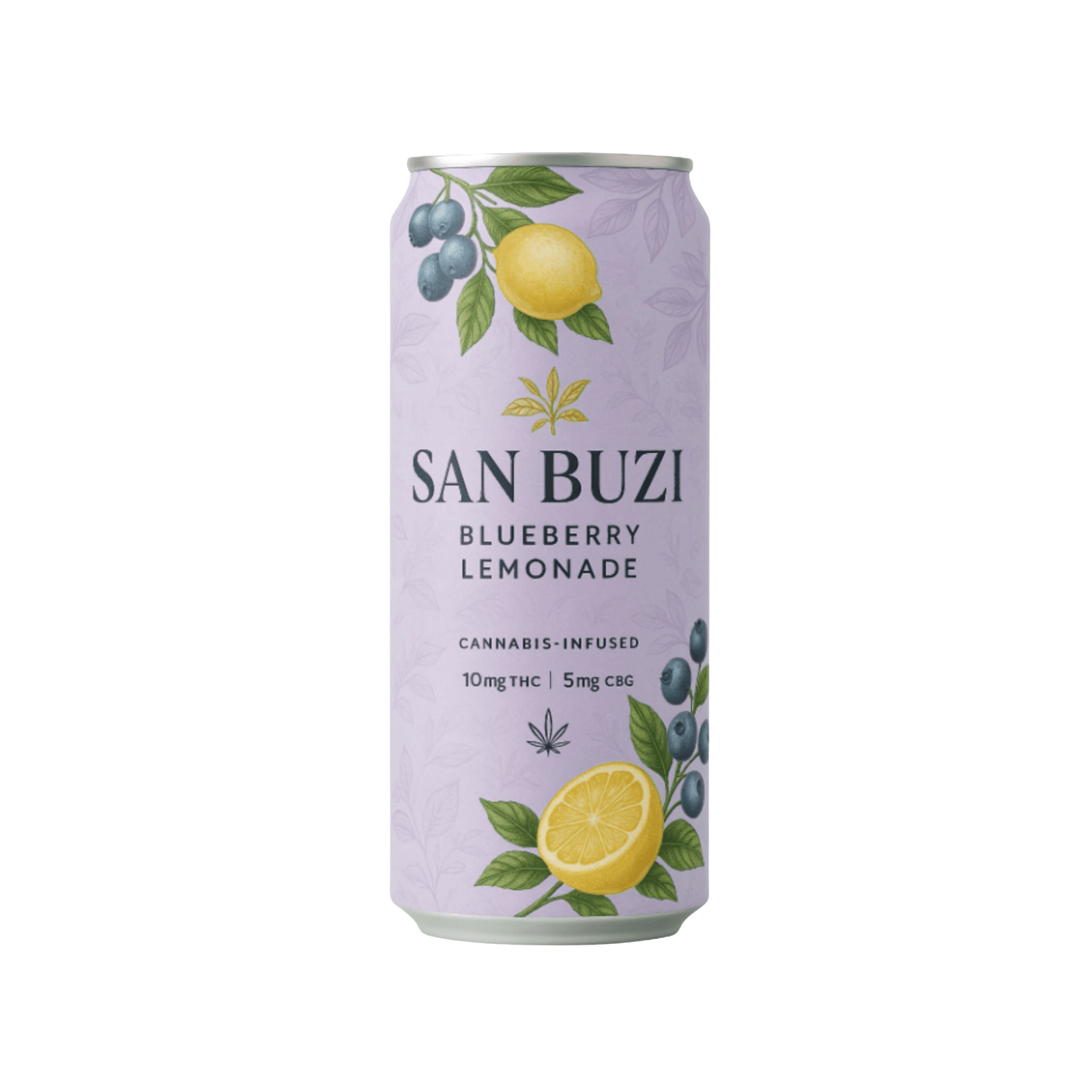
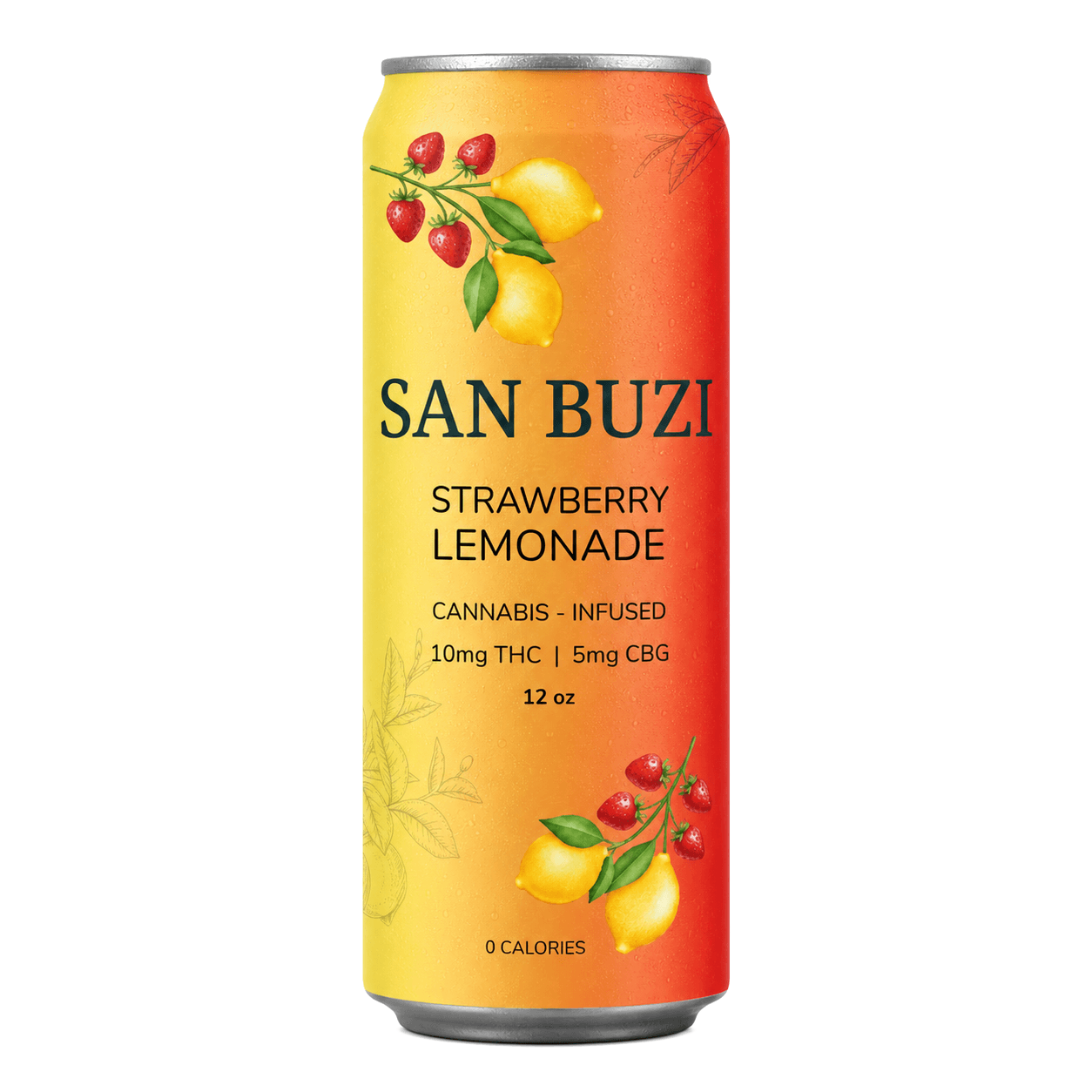
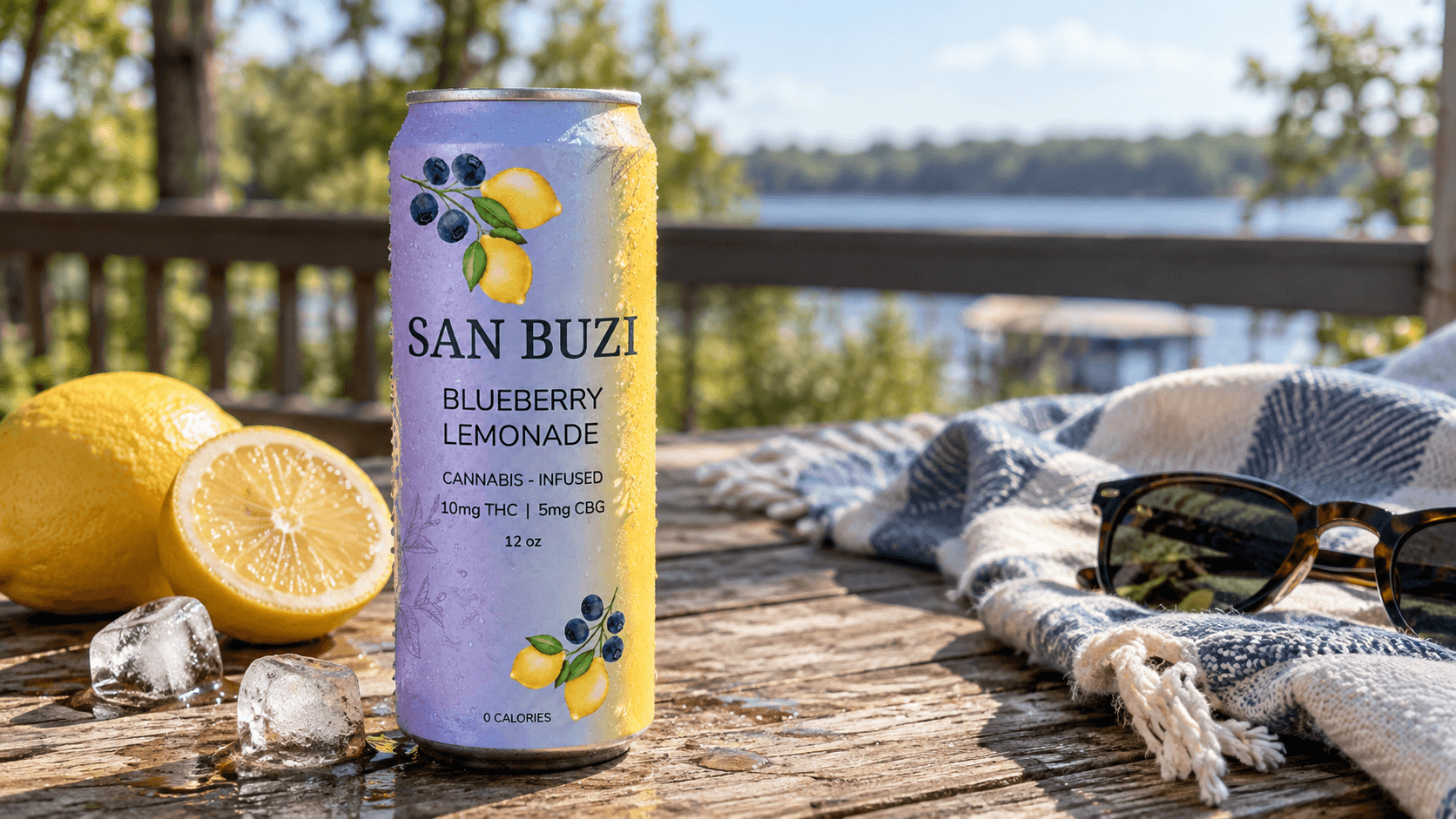
A THC drink like San Buzi is one option alongside mocktails, non-alcoholic beer, and adaptogen tonics. Here’s the honest comparison, no oversell:
- Calories: alcohol typically runs 100-150+ per drink; San Buzi is 0.
- Next morning: no alcohol-related hangover, but THC affects everyone differently and overdoing it can still leave you feeling off.
- Legal age and access: both are 21+, but hemp-derived THC’s legal status varies more by state than alcohol’s does — check our state legality guide before ordering.
- Driving: treat THC exactly like alcohol — don’t drive after consuming either.
Neither is “safer” across the board. They’re different substances with different risk profiles, and both call for the same basic judgment: know your limit, don’t drive, and pay attention to how you actually feel.
What about “California sober”?
You may have also searched “California sober” — a term for avoiding alcohol and harder substances while still using cannabis. There’s real research behind part of the idea: a 2025 Brown University-affiliated study found cannabis use was associated with reduced short-term alcohol consumption in some people.
An honest caveat that matters more than it might seem: researchers involved in that work were explicit that this isn’t a clinically recognized treatment for alcohol use disorder, and addiction medicine organizations don’t recommend cannabis as a substitute for people managing a diagnosed drinking problem. If you’re sober curious — rethinking your relationship with alcohol as a lifestyle choice — that’s exactly who this article, and San Buzi, is for. If you’re working through alcohol addiction or recovery, this isn’t the right resource — talk to a doctor or a licensed treatment professional, not a product page.
Try it for yourself
San Buzi is made in Atlanta, lab-tested every batch, and built for exactly this moment — the Friday night, the BBQ, the “I don’t feel like alcohol tonight but I still want something” occasion. Try one of our own sober-curious favorites, The Sunset Sipper, or host an alcohol-free happy hour.
This article is for general information and isn’t medical advice. THC affects everyone differently — start with a low dose and see how you feel before having more. Must be 21+ to purchase. Don’t drive or operate machinery after consuming. If you’re managing alcohol use disorder or substance use recovery, please consult a healthcare professional rather than relying on this page.